# Databricks

Allows you to configure Databricks as a destination for Inforiver writeback.&#x20;

When you get to the 'Add Destination' page, you have the option of using basic or OAuth authentication. If you choose basic authentication, you will need to enter the following information:

* Host Name
* Warehouse ID
* Access Token
* Catalog
* Schema
* Table Name

<figure><img src="/files/hM1ifjAUyEhwzdFZLAIu" alt=""><figcaption><p>Configuring a databricks destination</p></figcaption></figure>

You can also use OAuth-type authentication to log in that ensures a simple and secure login process. The example below illustrates adding a Databricks destination to an existing integration using OAuth-type authentication.

<figure><img src="/files/wqOmCY0F0UwAfkQbpEPZ" alt=""><figcaption><p>OAuth type authentication for Databricks destination</p></figcaption></figure>

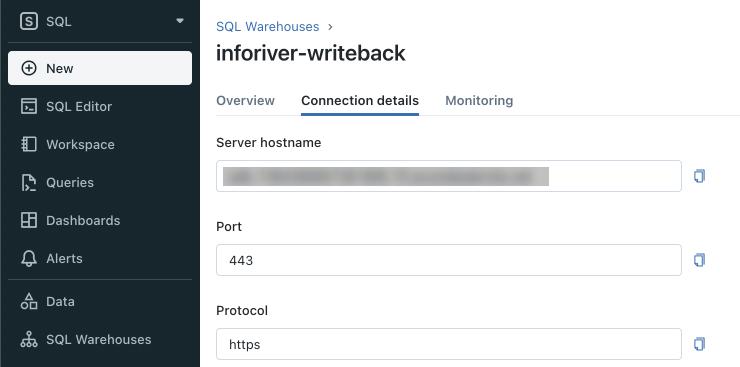
#### - Fetching the hostname

<figure><img src="/files/rY5vsLk1zqaWB7TflxkZ" alt=""><figcaption><p>Fetching the hostname</p></figcaption></figure>

#### - Fetching the warehouse ID

<figure><img src="/files/i3Ao0UJA3co9GKKroGkx" alt=""><figcaption><p>Fetching the warehouse ID</p></figcaption></figure>

#### **- Generating the personal access token**

**STEP 1:** Open Settings > Select Developer under user settings > Click Manage in the  Access Tokens section.

<figure><img src="/files/otR6BOIE9hdzz4x1zZeZ" alt=""><figcaption><p>Settings option</p></figcaption></figure>

<figure><img src="/files/hEZQ8FKb5jTdNCo2foKQ" alt=""><figcaption><p>Developer settings and access tokens</p></figcaption></figure>

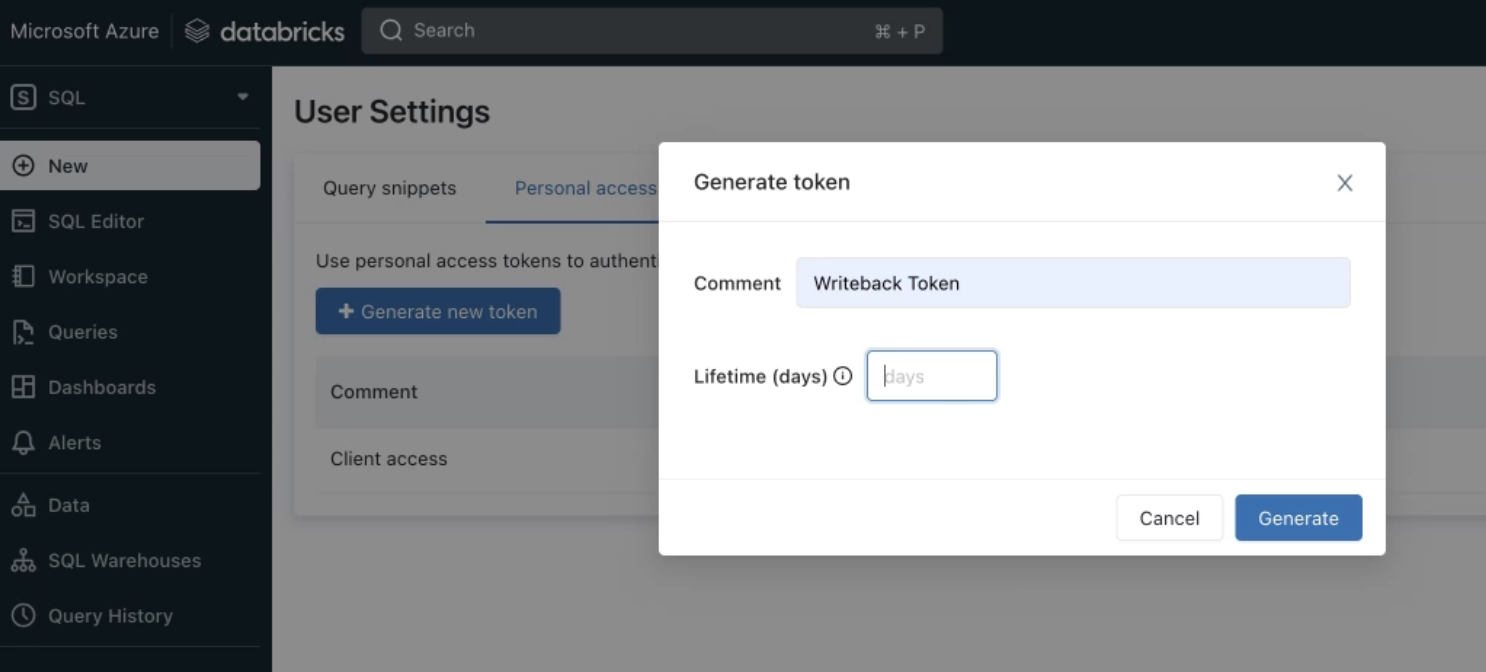
**STEP 2:** Click **Generate new token**.

<figure><img src="/files/M1Yc6aHhq89WlmR4a6kT" alt=""><figcaption><p>Generate new token option</p></figcaption></figure>

If required, enter the token validity.

<figure><img src="/files/VzaiHL21l9BQtyggtIu1" alt=""><figcaption><p>Enter token validity</p></figcaption></figure>

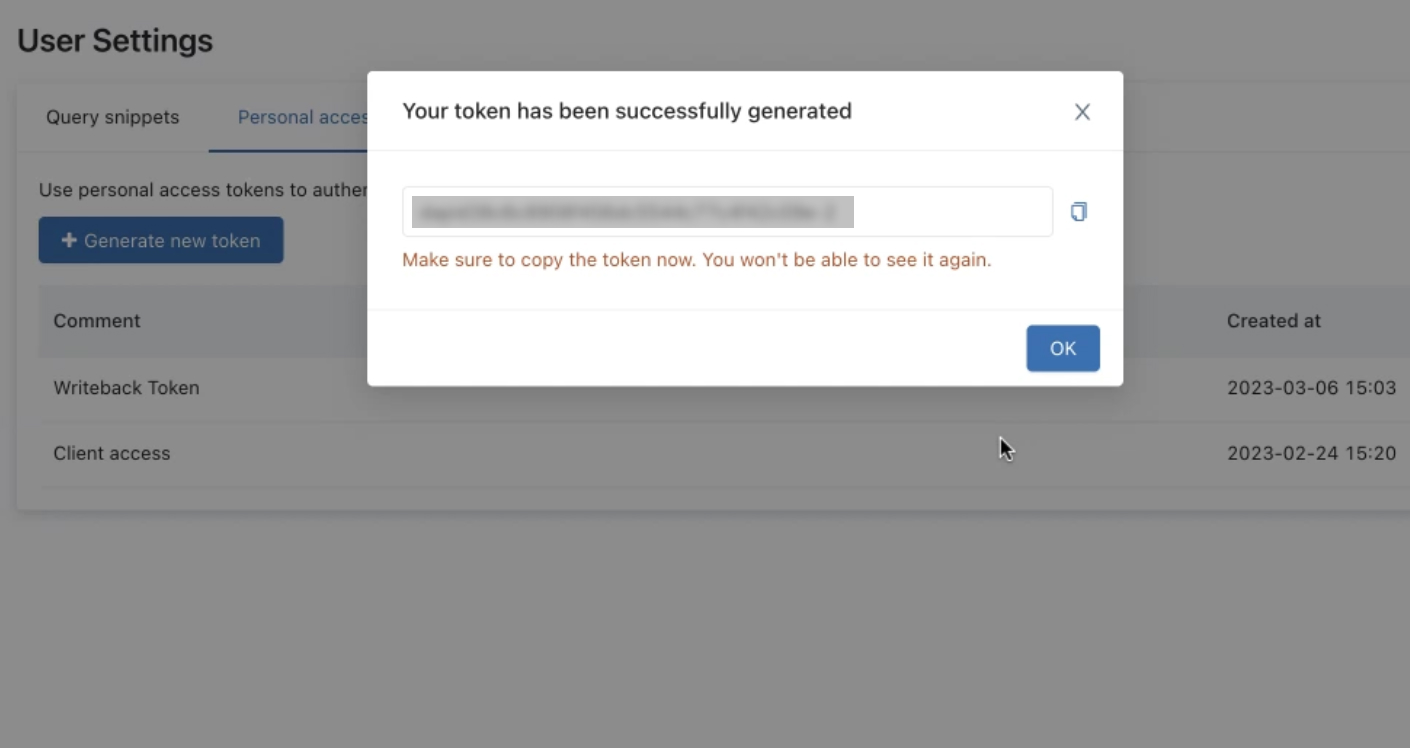
**STEP 3:** Copy the generated token and enter it in the destination config.

<figure><img src="/files/M1Be1e2BmkTNA7DRJkXh" alt=""><figcaption><p>Copy the generated token and enter it in the destination config</p></figcaption></figure>

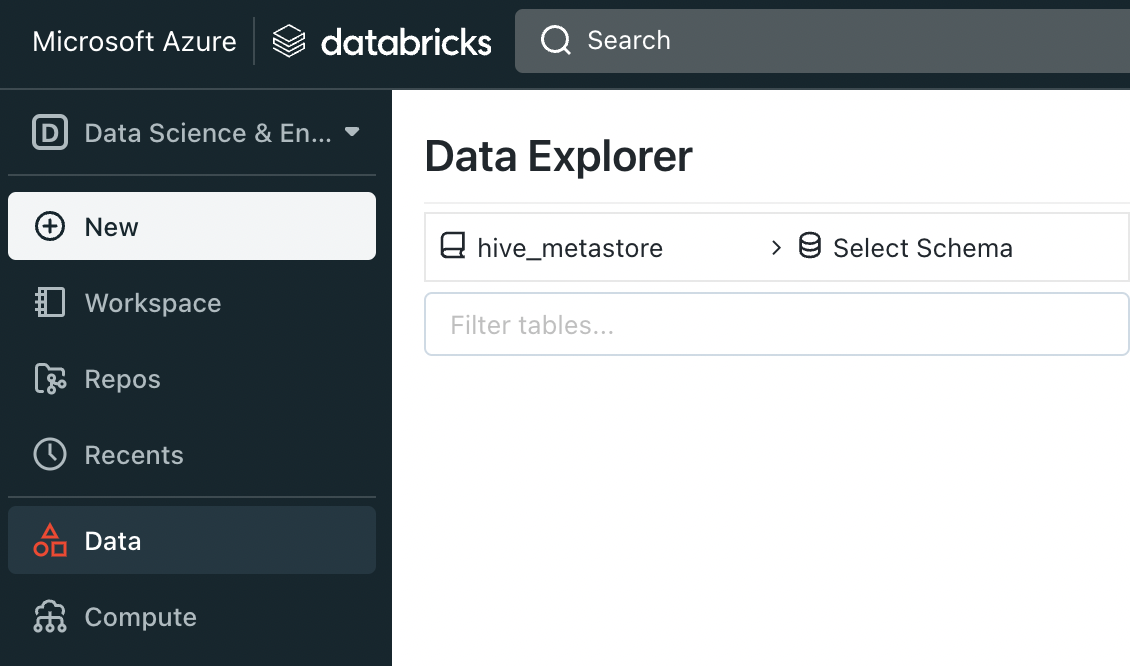
#### - Fetch the catalog and schema name

<figure><img src="/files/DqiKkF9voHqHNUtOUJ3O" alt=""><figcaption><p>Fetching the catalog and schema name</p></figcaption></figure>


---

# Agent Instructions: Querying This Documentation

If you need additional information that is not directly available in this page, you can query the documentation dynamically by asking a question.

Perform an HTTP GET request on the current page URL with the `ask` query parameter:

```
GET https://docs.inforiver.com/working-with-inforiver/12.-data-writeback/destinations/databricks.md?ask=<question>
```

The question should be specific, self-contained, and written in natural language.
The response will contain a direct answer to the question and relevant excerpts and sources from the documentation.

Use this mechanism when the answer is not explicitly present in the current page, you need clarification or additional context, or you want to retrieve related documentation sections.